Top of page

Exhibition The Two Georges: Parallel Lives in an Age of Revolution

British Beginnings

George Washington, born in Virginia in 1732, seems the embodiment of the American republic. Yet he spent the first part of his life as a British subject. He promoted the interests of the British Empire as a soldier and a surveyor. And he formed himself on the model of a British gentleman, taking advantage of colonial ladders of power. It was only when Washington took up arms against Britain in 1775 that he became an American.

King George III, born in London in 1738, ascended to the British throne at age twenty-two on the death of his grandfather, King George II. The empire he ruled stretched from America to Africa and Asia.

Despite the differences in their early lives, the two Georges were linked by their common roots in the British Empire.

Banner image: John Mitchell. A Map of the British and French Dominions in North America, 1755. Geography and Map Division, Library of Congress
The Young Georges
Surveying the British Empire
Expanding the British Empire
The Stamp Act and the Start of Resistance

The Young Georges

Both Georges lost their fathers when they were young. Augustine Washington died in 1743 when his son was eleven. Frederick, Prince of Wales, died in 1751 when Prince George was twelve.

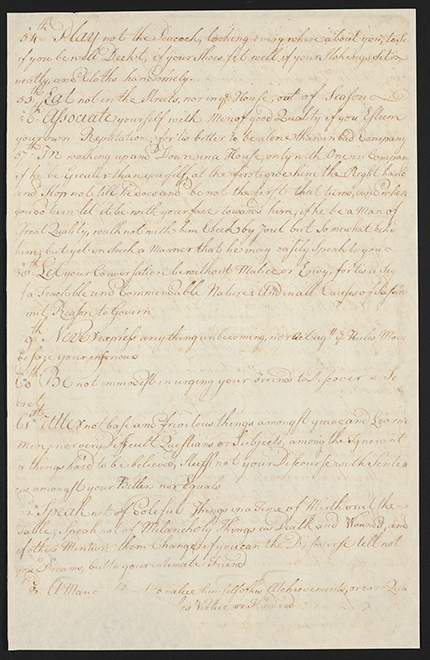
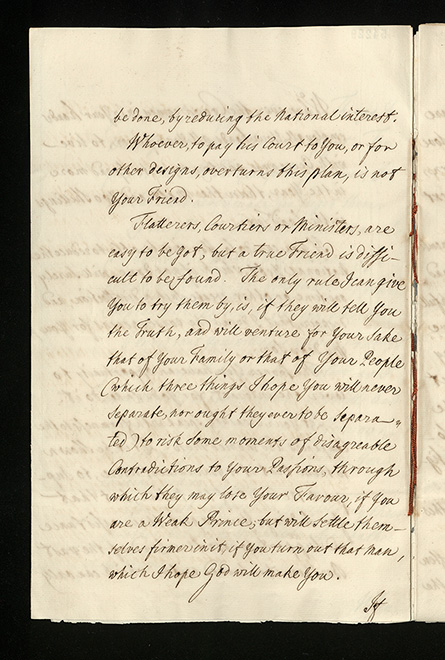
Both fathers provided for their sons in ways appropriate for their projected futures. Prince Frederick wrote a set of instructions to guide his son, the future king. Augustine Washington provided his son with land and enslaved laborers so he could grow tobacco, colonial Virginia’s contribution to Britain’s economy.

No one could have predicted a future in which the two Georges would come to face each other on the world stage.

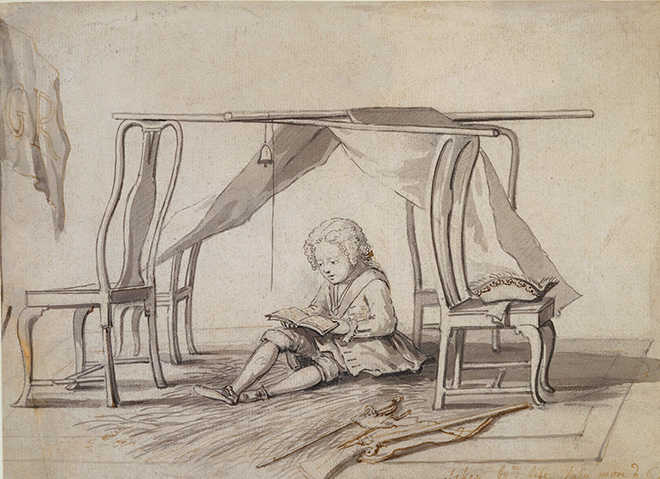
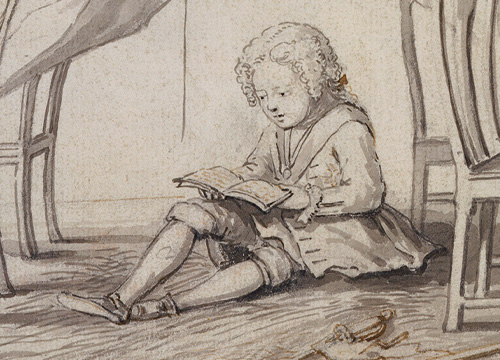
Prince George Playing at Soldiers

Artist unknown. Prince George of Wales Playing at Soldiers, 1747. Pen with gray and brown ink and gray wash over pencil. Lent by His Majesty King Charles III. © Royal Collection Enterprises Limited 2025 | Royal Collection Trust (003.00.00)

Surveying the British Empire

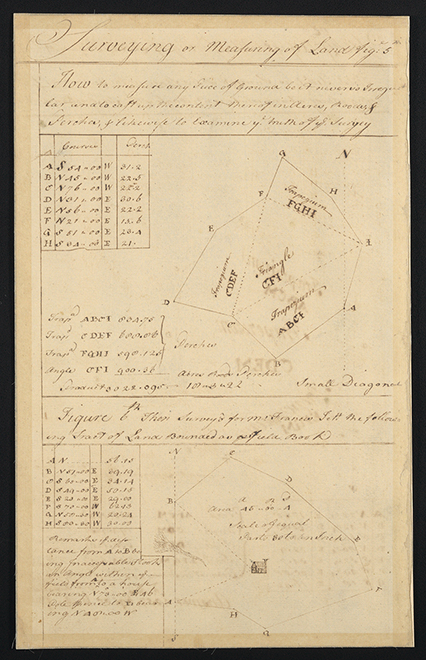
As young men, George Washington and the future George III both studied geometry, draftsmanship, and surveying.

Washington worked as a land surveyor between the ages of seventeen and twenty. He measured and mapped land for settlers on Virginia’s frontier, work that helped expand British territory in North America.

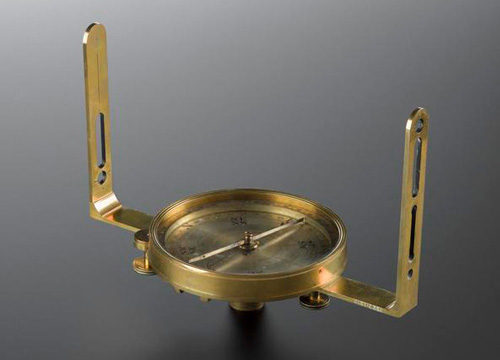
George III was a competent draftsman and included a surveyor’s compass in his collection of scientific instruments. He shared Washington’s interest in surveying, if not its practical application.

George III’s Surveyor’s Compass

Circumferentor (surveyor’s compass), with lid. Streatfield, London, mid-eighteenth century. On Loan from the Science Museum Group. King’s College London Archives © The Board of Trustees of the Science Museum (008.00.00)

Expanding the British Empire

George Washington began his military career as a young officer during the French and Indian War (1754–1763). This was the American dimension of a larger conflict between the French and British empires known as the Seven Years’ War. Washington fought alongside British forces in the Ohio River Valley, where British and French forces and their Native American allies competed for territory.

The future George III was a teenager when the war began. His grandfather, King George II, refused to let him join the fight, despite his pleas. When George II died in 1760, George III inherited the conflict.

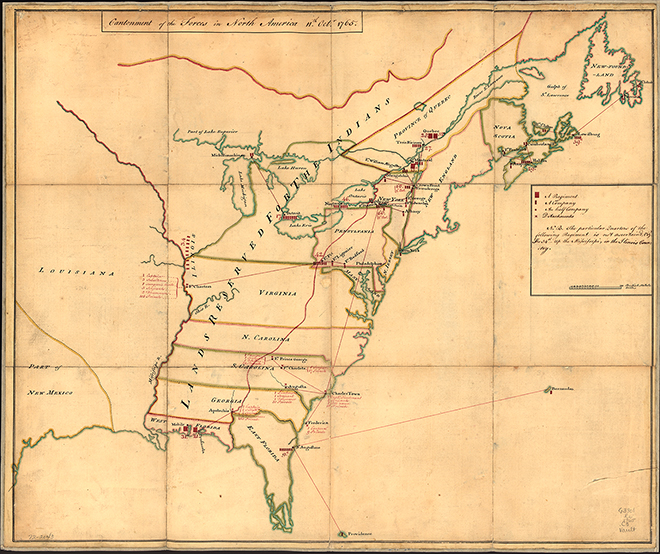
The Proclamation Line

Daniel Paterson. Cantonment of His Majesty’s Forces in N. America, March 1766. Map, pen-and-ink and watercolor. Geography and Map Division, Library of Congress. (019.00.00)

The Stamp Act and the Start of Resistance

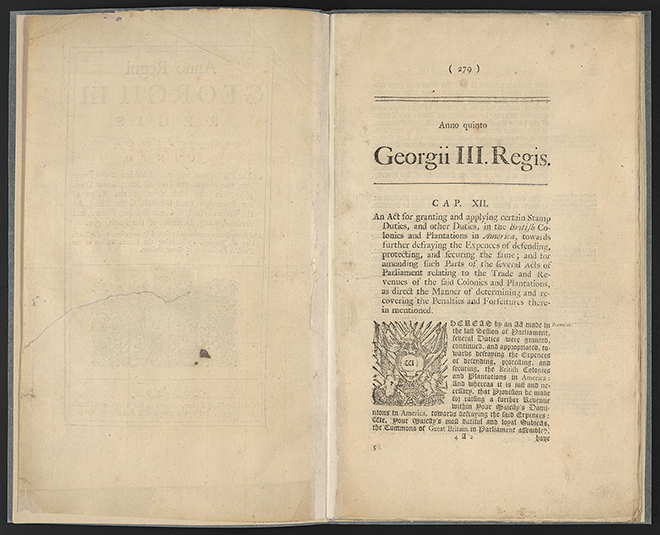
In 1765, the British Parliament passed the Stamp Act to raise revenue after the French and Indian War. The act required Americans to pay a tax on all paper and parchment documents, including newspapers, almanacs, and even playing cards. Many Americans, including George Washington, reacted with anger. They considered it to be “taxation without representation.”

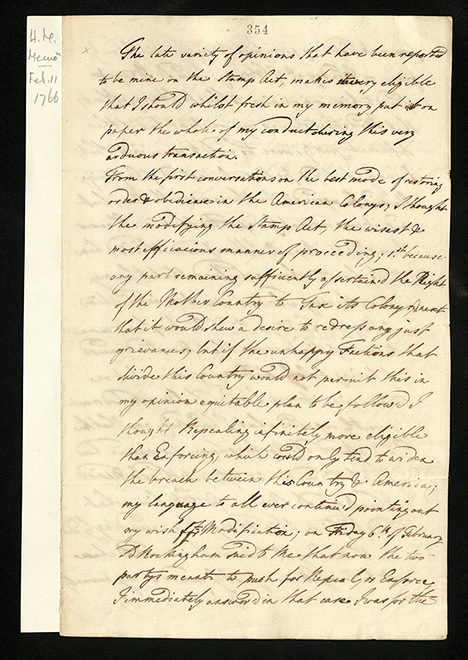
Parliament repealed the act in 1766, but Britain continued to assert control over the colonies. George III gradually hardened in his view that he must control his American colonies to protect the integrity of the British Empire. Meanwhile, George Washington found a prominent place for himself in the thick of the American resistance.

Boycotting British Goods

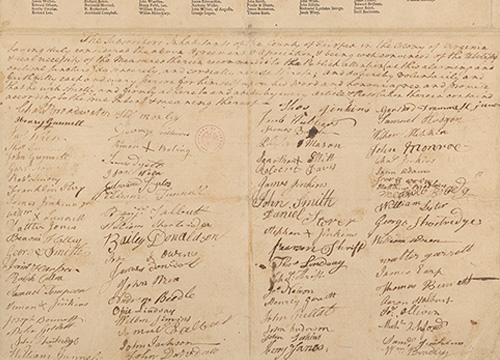
The Association entered into last Friday, the 22d instant, by the Gentlemen of the House of Burgesses, and the Body of Merchants, assembled in this city. Williamsburg, Virginia, June 22, 1770. George Washington Papers, Manuscript Division, Library of Congress (026.00.00)